Ultimate Guide to Business Process Automation (BPA)

In today’s fast-paced business landscape, efficiency is the key to scalability and success. Companies that embrace automation gain a competitive edge by reducing manual tasks, increasing productivity, and making data-driven decisions. Business Process Automation (BPA) is transforming industries by streamlining workflows, optimizing customer interactions, and reducing operational costs.

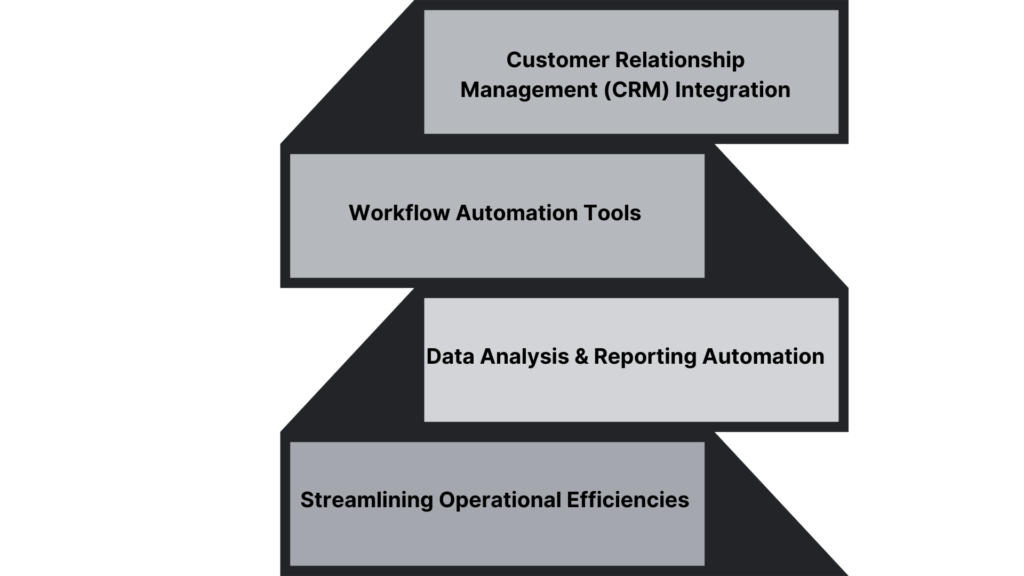
At Unibegins, we specialize in advanced automation solutions, including:

This guide explores how BPA can revolutionize business operations, drive efficiency, and maximize profitability.

Understanding Business Process Automation (BPA)

Business Process Automation (BPA) refers to the use of technology to automate repetitive, manual tasks, allowing businesses to focus on high-value activities. Automation enhances operational efficiency, reduces errors, and improves overall workflow.

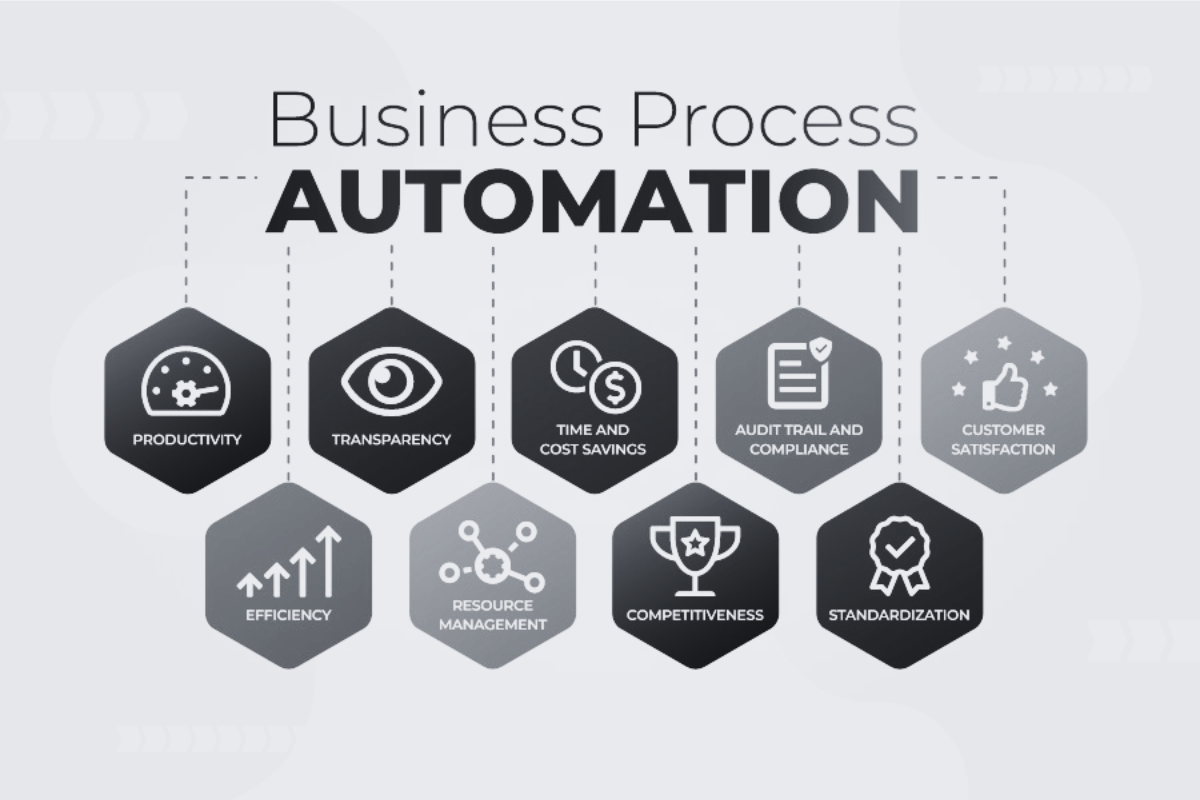
Why is BPA Important?

Key Industries Benefiting from BPA

  • Increased Productivity – Employees can focus on strategic tasks instead of routine work.
  • Cost Reduction – Reduces labor costs and operational expenses.
  • Improved Accuracy – Minimizes human errors in data entry and processing.
  • Scalability – Allows businesses to handle increased workloads without additional resources.
  • Finance & Banking – Automating transactions, compliance checks, and customer support.
  • Healthcare – Managing patient records, billing, and appointment scheduling.
  • E-commerce & Retail – Automating inventory management, order processing, and customer service.
  • Manufacturing – Streamlining supply chain processes and quality control.

Customer Relationship Management (CRM) Integration

Customer Relationship Management (CRM) systems help businesses manage interactions with customers, leads, and prospects. Integrating automation into CRM enhances efficiency by automating:

  • Lead tracking
  • Customer segmentation
  • Follow-up emails
  • Sales reporting
  • Faster Response Times – Automated responses and chatbots improve customer engagement.
  • Better Lead Nurturing – Automated workflows ensure timely follow-ups.
  • Enhanced Customer Insights – AI-driven CRM tools analyze customer data for targeted marketing.
  • Salesforce – Comprehensive CRM with AI-driven insights.
  • HubSpot – Ideal for small and medium-sized businesses.
  • Zoho CRM – Affordable and user-friendly CRM automation.

A fashion retailer used CRM automation to track customer preferences and personalize marketing campaigns, increasing sales by 30%.

Workflow Automation Tools

Workflow automation involves using software to perform routine tasks with minimal human intervention. These tools enhance efficiency by:

  • Automating approvals
  • Reducing paperwork
  • Ensuring seamless collaboration

Top Workflow Automation Tools

Case Study: A digital marketing agency automated project approvals and client reporting, reducing turnaround time by 40%.

Data Analysis & Reporting Automation

Automated data analysis tools collect, process, and visualize data, providing businesses with real-time insights for decision-making.

Benefits of Automating Data Analysis

  • Faster Decision-Making – Real-time insights enable quicker responses to market trends.
  • Error Reduction – Eliminates manual data entry errors.
  • Better Performance Tracking – Automated dashboards provide key business metrics.

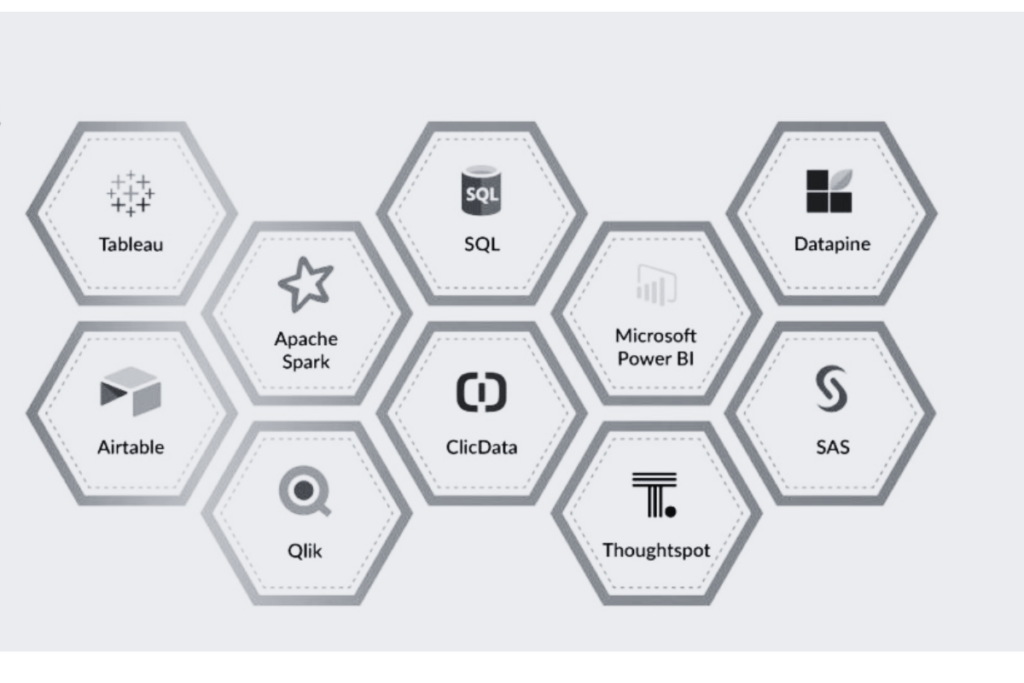
Popular Data Analysis & Reporting Tools

Case Study: Data Automation in a Healthcare Company like a hospital automated patient data analysis, reducing diagnostic errors by 25%..

Streamlining Operational Efficiencies

Operational efficiency refers to optimizing business processes to minimize costs and maximize productivity.

Key Areas for Automation

Supply Chain Management

Automating order processing & inventory tracking and Using AI for demand forecasting.

Customer Support Automation

AI chatbots handling FAQs & basic troubleshooting and Automated ticketing systems for quick issue resolution.

Document & Contract Management

Using digital signatures and cloud storage for secure document handling

Case Study: Automation in a Manufacturing Firm as a factory implemented AI-powered workflow automation, reducing production downtime by 50%.

Challenges & Solutions in Business Process Automation

Common Challenges

Employee Resistance to Change – Training programs can ease the transition.

Integration Issues – Choosing the right tools ensures seamless integration.

Data Security Concerns – Implementing robust cybersecurity measures mitigates risks.

Overcoming Automation Challenges

Conducting employee training sessions.

Using cloud-based automation tools for scalability.

Implementing compliance frameworks like GDPR and HIPAA.

Future Trends in Business Process Automation

  • Predictive analytics for business decision-making.
  • AI-driven customer support chatbots.

Automating complex business operations with software robots.

Combining AI, RPA, and machine learning for full-scale business automation.

Enhancing transparency and security in financial transactions.

Getting Started with Unibegins Automation Services

Our Process

Why Choose Unibegins?

Expertise in cutting-edge automation technologies

Customized solutions for diverse industries

Proven track record of enhancing efficiency

Business Process Automation is no longer an option—it is a necessity for businesses looking to scale and stay competitive. By integrating CRM automation, workflow tools, data analysis automation, and operational streamlining, companies can maximize productivity, reduce costs, and enhance decision-making.

At Unibegins, we specialize in helping businesses harness the power of automation to drive efficiency and growth.

Ready to automate your business? Contact Unibegins today to start your automation journey!